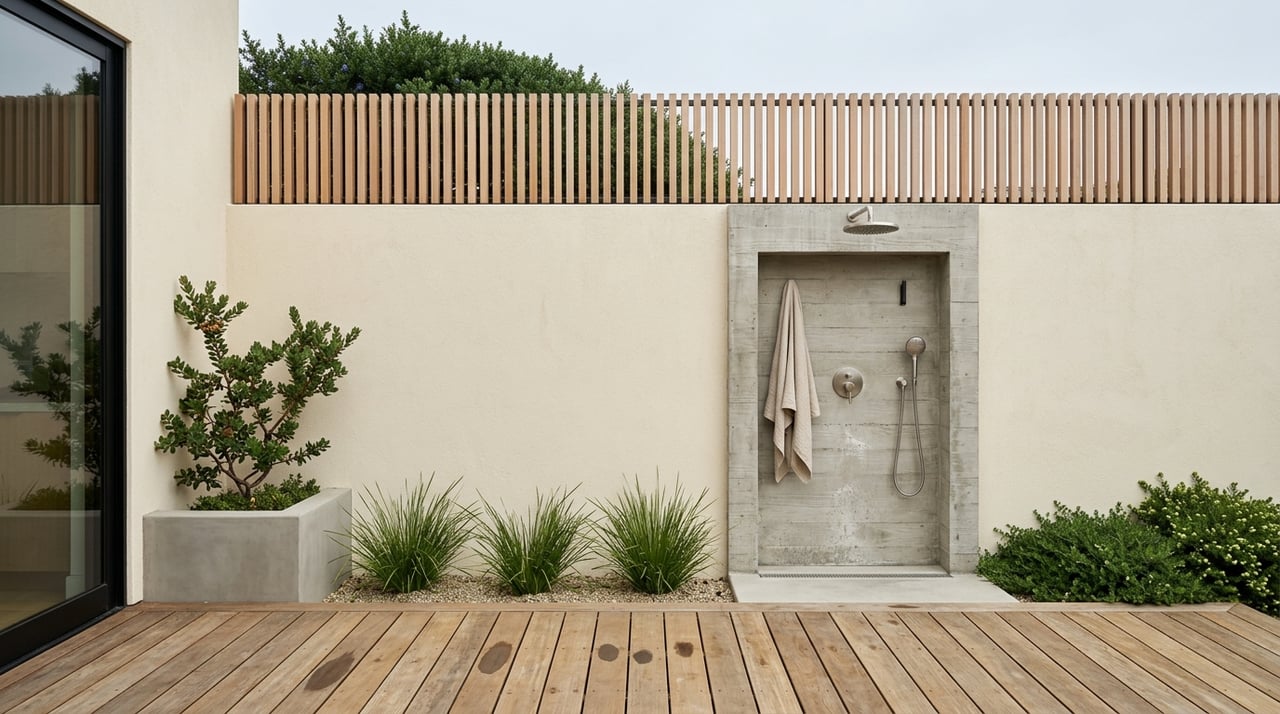
What Buyers Should Know About Owning In Moss Landing
July 23, 2026
July 23, 2026
Dreaming about a home near the harbor, the beach, and one of the most remarkable wildlife areas on the Central Coast? Moss Landing can offer that rare mix of coastal access and retreat-like atmosphere, but it comes with a very different ownership experience than a typical residential community. If you are considering buying here, it helps to understand how housing, permitting, utilities, and coastal conditions shape daily life and long-term decisions. Let’s dive in.
Moss Landing is a small coastal community in North Monterey County centered around Moss Landing Harbor and the mouth of Elkhorn Slough. Rather than feeling like a conventional town with broad residential tracts and a full downtown, it functions more as a harbor-and-nature enclave with working-waterfront activity, recreation, visitor-serving businesses, and limited housing in a compact coastal area.
That setting is a big part of the appeal. If you are drawn to kayaking, fishing, sportfishing charters, wildlife viewing, and easy beach access, Moss Landing offers a lifestyle that feels closely tied to the water and the surrounding natural environment.
Moss Landing State Beach adds to that appeal with day-use beach access, picnic areas, fishing, hiking, surfing, windsurfing, and horseback riding. The area is also known for changeable weather, afternoon winds, and strong rip currents, so the coastal beauty here comes with a healthy respect for the elements.
A few miles east, Elkhorn Slough Reserve gives you access to trails, a visitor center, and a habitat that supports hundreds of species of birds, fish, and invertebrates. For many buyers, that combination of harbor life, beach access, and protected open space is exactly what makes Moss Landing feel special.
One of the first things to know is that housing inventory in Moss Landing is limited. County planning materials indicate there is very little residential development in the Moss Landing Community Plan area, with medium-density housing concentrated in the Heights neighborhood.
In practical terms, that means you are less likely to find rows of similar homes or a large selection of move-in-ready options at any given time. Instead, you may come across a small number of distinct pockets, unique properties, and homes in mixed-use or character-rich settings.
That can be exciting if you value individuality and coastal character. It can also mean you need patience, flexibility, and a clear sense of what tradeoffs matter most to you when the right property does appear.
If you are buying in Moss Landing, future plans for the property should be part of your decision before you close. Monterey County states that a Coastal Development Permit is required for certain projects in the Coastal Zone, and in this area that permit functions as the equivalent of a Use Permit.
That matters if you hope to remodel, expand, change the site, or make other property improvements. Even updates that may seem straightforward in another market can require early review here, so it is smart to check with county planners as soon as you start thinking about changes.
For buyers, this means you should not assume a property can easily be altered to fit your long-term vision. If your purchase depends on adding space, changing use, or significantly reworking the site, that due diligence needs to happen early.
Some buyers look at Moss Landing and see second-home or vacation-rental potential. That can be part of the appeal, but county rules make it important to verify what is actually allowed before you buy.
County materials state that commercial vacation rentals are not allowed in Moss Landing residential zones. The county also notes that short-term rentals in coastal areas may require a Coastal Development Permit, and all vacation rentals require county permitting and tax registration.
The key takeaway is simple: do not buy with an income strategy in mind unless you have confirmed the rules for that specific property and use. In a place with limited housing and coastal oversight, rental assumptions can create costly surprises.
Utility and wastewater details deserve close attention in Moss Landing. County draft community-plan materials explain that the local sanitation district was originally created to replace failing septic systems and was later consolidated, with treatment capacity expanded through Monterey One Water.
For you as a buyer, that makes sewer versus septic status an important due-diligence item. You will want to confirm how the property is served, whether there have been past issues, and whether any future improvements could affect your plans or costs.
In a small coastal community, these infrastructure details can matter just as much as square footage or views. A distinctive home can be a great fit, but only if the property systems align with your expectations for ownership and maintenance.
Life near the coast has real advantages, but it also affects how a home ages. Research on coastal conditions notes that salty air and ocean spray can contribute to salt damage, while local beach conditions include wind and changeable weather.
For homeowners, that often means paying closer attention to exterior finishes, corrosion-prone materials, and landscaping choices. Maintenance may be more frequent than what you would expect in a more protected inland setting.
This does not mean coastal ownership is a bad idea. It simply means the beauty of the setting comes with a practical maintenance rhythm, and buyers should budget both time and money accordingly.
Moss Landing buyers should also understand coastal risk in a very practical way. Monterey County reports that the 2011 tsunami caused up to a six-foot change in water level at Moss Landing, and NOAA points to ongoing climate-adaptation work in Monterey Bay related to sea level rise and changing ocean conditions.
Before you commit to a property, it is wise to understand parcel-specific exposure, elevation, and evacuation routes. These are not abstract issues in a harbor community. They are part of informed ownership planning.
This is especially important if you are buying from outside the area or purchasing a second home. A property that feels like a peaceful retreat should also make sense from a preparedness and long-term resilience standpoint.
Moss Landing is appealing in part because it is not overbuilt. The harbor district describes a modest cluster of visitor-serving businesses and nearby amenities that includes restaurants, a convenience store, and a post office rather than a full-service town center.
For some buyers, that smaller service base is a plus. It helps preserve the quiet, low-key character that makes the area feel like an escape.
For others, it may feel like a tradeoff. If you want a wide range of shops, daily services, or a more conventional town layout close by, Moss Landing may require a different mindset than more built-out coastal communities.
Moss Landing tends to work best for buyers who want direct access to the harbor, beach, and slough, along with a strong connection to nature and a retreat-like setting. It can be especially appealing if you value distinctive homes and are comfortable with a market where inventory is limited and each property may require more individualized evaluation.
It may be less ideal if you want broad housing choice, simple remodeling potential, or the convenience of a full suburban amenity package. The ownership experience here is more specialized, and that is exactly why the right buyer can find it so rewarding.
If Moss Landing is on your radar, focus your search with a few practical questions:
In a market like this, thoughtful preparation matters. The more clearly you understand your goals, the easier it is to recognize whether a property is truly the right fit.
Buying in Moss Landing is often less about checking boxes and more about matching your lifestyle to a very specific coastal environment. When you approach it with clear expectations and strong local guidance, you can make a more confident decision and enjoy what makes this part of Monterey Bay so distinctive. If you are exploring coastal or vacation-home opportunities around Monterey Bay, Megan Lyng offers experienced, hands-on guidance tailored to unique properties and lifestyle-driven purchases.

Get assistance in determining current property value, crafting a competitive offer, writing and negotiating a contract, and much more. Contact me today.

MEGAN LYNG | CA DRE# 01421921
1041 41st Ave Santa Cruz, CA 95062