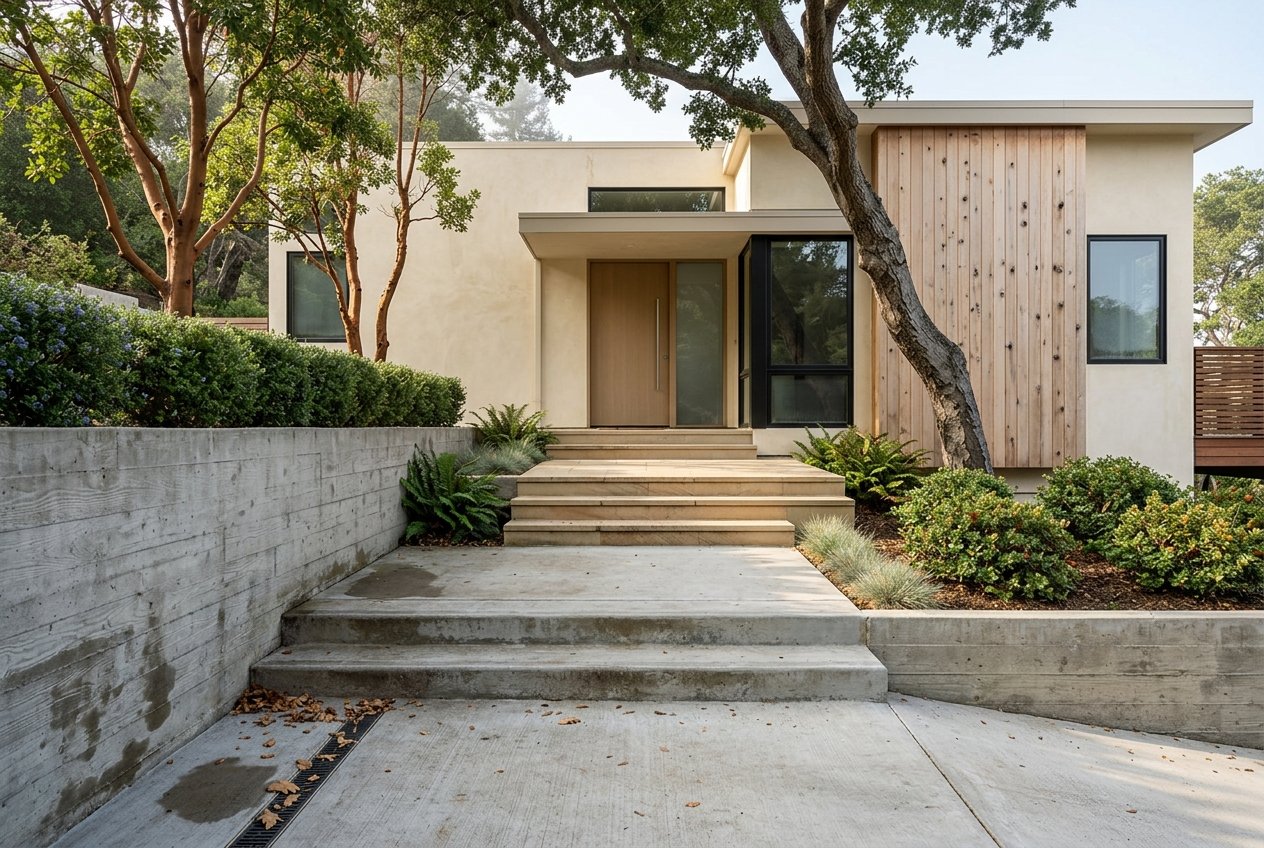
Buying A Home In Soquel’s Village And Hills
July 2, 2026
July 2, 2026
Wondering whether Soquel’s village charm or its hillside privacy is the better fit for your next home? You are not alone. Many buyers are drawn to Soquel because it offers two very different lifestyles within the same community, from a more walkable, amenity-rich village setting to quieter foothill parcels with extra space and a more rural feel. If you are thinking about buying here, it helps to understand how the area is laid out, what daily life can look like, and which due diligence steps matter most. Let’s dive in.
Soquel gives you a real choice in how you want to live. In broad terms, buyers often choose between convenience near the village core and more privacy, terrain, and parcel-specific considerations in the hills.
That split matters because the home search can feel very different depending on which side of Soquel fits your goals. A property near the village may solve daily convenience needs, while a home in the foothills may offer a stronger sense of retreat.
Soquel sits just inland from Capitola, and the local visitor information describes it as a tranquil village known for antique dealers. Nearby Capitola adds easy access to beachside restaurants, cafes, boutiques, the wharf, and a lively coastal village setting.
For you as a buyer, that usually means the village core is about proximity and ease. In a more compact setting, you may trade some lot size or separation between homes for quicker access to shops, dining, and nearby coastal amenities.
The foothill areas above Soquel feel different almost immediately. The Soquel Creek Water District service area reaches inland into the Santa Cruz foothills, and local tourism sources note vineyards in the hills above town.
For many buyers, these properties appeal because they can offer more privacy, longer driveways, and a more rural atmosphere. At the same time, they often come with more property-specific questions about utilities, access, drainage, and site conditions.
The surrounding landscape helps explain why hillside homes feel so distinct. Nearby recreation areas include Soquel Demonstration State Forest, with rugged terrain and elevations from 450 to 2,400 feet, and The Forest of Nisene Marks, with dense redwood forest and steep coastal mountains.
That beautiful setting is part of the draw, but it also means hillside ownership often requires more careful review. Slope, drainage, road access, and wildfire exposure can all play a bigger role in your decision than they might on a flatter in-town property.
Soquel works well for buyers who want a mix of inland character and coastal access. You are close to both everyday conveniences and outdoor recreation, which is part of what makes the area so appealing.
Still, the exact experience depends on where you buy. A home near Soquel’s center will likely feel more connected to daily errands and nearby destinations, while a hill property may feel more tucked away and peaceful.
Soquel and nearby Capitola offer a strong mix of local amenities. Visitor information for the area highlights Capitola Beach, the Capitola Wharf, summer concerts, restaurants, boutiques, and a beachside atmosphere.
That means you can enjoy a village-and-coast lifestyle without needing to live directly on the beach. For many buyers, that balance is a big part of Soquel’s appeal.
If you are more drawn to open space, Soquel also serves as a launch point for inland recreation. Local tourism information points to wine tasting in the hills, while the nearby park system offers hiking, biking, picnicking, and redwood forest access.
This side of Soquel can feel especially attractive if you want your home base to connect with outdoor living. Just keep in mind that some of the more remote settings are also less developed and can come with tradeoffs.
CAL FIRE notes that Soquel Demonstration State Forest has limited cell reception in some areas, no camping, no e-bikes, and advanced mountain-bike terrain. While that does not define every nearby home, it does reflect the more rugged nature of the hills.
For you, the takeaway is simple. If you are shopping for a home in a more secluded area, expect to ask more questions about connectivity, road conditions, and the day-to-day realities of a less urban setting.
Your commute in Soquel will often be shaped by Highway 1 and Soquel Drive. Santa Cruz County Public Works says Soquel Avenue and Soquel Drive are used by commuters trying to avoid Highway 1 congestion, and detours from Highway 1 closures have also been routed through Soquel Drive.
That makes location inside Soquel especially important if you have a regular drive schedule. Two homes that seem close on a map can feel very different once traffic patterns become part of daily life.
The U.S. Census Bureau reports a mean travel time to work of 23.0 minutes for Soquel residents. That gives you a helpful baseline, but your real commute will depend on where you work and how much of your route depends on Highway 1 or Soquel Drive.
If commute reliability matters to you, it is worth testing routes at the times you would normally travel. That simple step can give you a clearer picture before you commit to a specific area.
METRO bus service connects Soquel to Santa Cruz, Capitola, Watsonville, Scotts Valley, Aptos, and other unincorporated communities. METRO also operates Highway 17 Express service to downtown San Jose.
For buyers balancing local errands with regional travel, that range of transit options can be useful. Even if you expect to drive most of the time, it helps to know you have alternatives.
Because Soquel is an unincorporated census-designated place rather than an incorporated city, county records play an especially important role in the home-buying process. That matters in every transaction, but it is particularly important for older homes, hillside properties, and parcels with non-standard improvements.
A strong due diligence plan can help you avoid surprises and better understand what you are buying. In Soquel, that often means going deeper than the basics.
Santa Cruz County Planning maintains building and permit records for unincorporated areas, but the county also notes that older records can be incomplete. In particular, plans for some permits from 1950 to 1970 may not be attached.
That means you should not assume the paper trail is complete just because a home has been standing for decades. Reviewing permit history carefully can help you spot missing information, past additions, or areas where you may want further investigation.
The county GIS Property Report can be one of the fastest ways to understand a parcel. According to Santa Cruz County, it includes land use, water and biotic resources, hazards and geophysical data, and special districts.
For a Soquel buyer, this is especially valuable because it can quickly show whether a property may involve extra review or restrictions. That is helpful in both village and hillside searches, but it becomes even more important as parcel complexity increases.
The County Surveyor says survey records can be located through its GIS system by APN, street address, or recorded map reference. It also notes that private property boundary work should be handled by a licensed surveyor.
If a property has fencing questions, unusual lot lines, or hillside improvements near the edges of the parcel, boundary clarity matters. This is one area where extra care early in the process can prevent larger issues later.
Utility setup is one of the biggest differences between Soquel’s more central areas and its more rural properties. A home on a larger or hill parcel may need much more review than a property on standard public services.
That does not make rural homes less desirable. It simply means you want a clear understanding of how the property functions before moving forward.
The Soquel Creek Water District serves Soquel and nearby foothill communities, and its public materials state that its community water supply comes entirely from the Mid-County Groundwater Basin. County permit documents also note that public water connections require a will-serve letter from the provider.
If a home is served by public water, that can simplify part of the picture. Even so, it is still wise to confirm service details during your investigation period.
County permit materials show that parcels with septic need Environmental Health clearance, and non-public water sources need Environmental Health approval. For septic systems specifically, Santa Cruz County code requires a point-of-sale septic inspection report.
If defects are found, the seller may need to complete repairs or transfer that responsibility to the buyer. For country or hillside homes, septic history, inspection results, and maintenance records should be near the top of your checklist.
A hillside setting can be beautiful, but it also asks more of a buyer. Santa Cruz County says geologic hazard assessments may be required for fault zones, slope instability concerns, FEMA floodplains and floodways, coastal hazard areas, and other hazard areas.
The county also identifies hazards such as shallow and deep-seated landsliding, along with landslide-initiated or post-wildfire debris flows. In practical terms, that means a scenic site should always be matched with careful property review.
When you buy in the hills, drainage and slope are not minor details. They can affect safety, maintenance, insurability, and your future improvement plans.
You will want to look closely at features like retaining walls, runoff patterns, and the overall relationship between the house, driveway, and terrain. These are highly property-specific issues, so broad assumptions are rarely enough.
CAL FIRE’s Fire Hazard Severity Zone guidance says hazard mapping considers fuel, terrain, and fire weather. It also recommends defensible space and home hardening.
For you as a buyer, that often translates into practical questions. How steep is the driveway? How easy is access in and out? Has defensible-space work already been completed? Those answers can shape both comfort and long-term ownership costs.
If you are deciding between the village and the hills, start with how you want your days to feel. A more central location may support convenience, shorter errand runs, and easier access to nearby dining and coastal destinations.
A foothill or hillside home may offer more privacy, more land, and a stronger sense of retreat. In exchange, you may need to spend more time on property-specific due diligence and accept a less plug-and-play ownership experience.
The best choice depends on your priorities, not just the listing photos. If you want help sorting through the tradeoffs, working with a local broker who knows Santa Cruz County’s micro-markets, permit realities, and distinctive properties can make the search much clearer. When you are ready to explore Soquel with a thoughtful strategy, connect with Megan Lyng.
Get assistance in determining current property value, crafting a competitive offer, writing and negotiating a contract, and much more. Contact me today.

MEGAN LYNG | CA DRE# 01421921
1041 41st Ave Santa Cruz, CA 95062